

§1What this business is
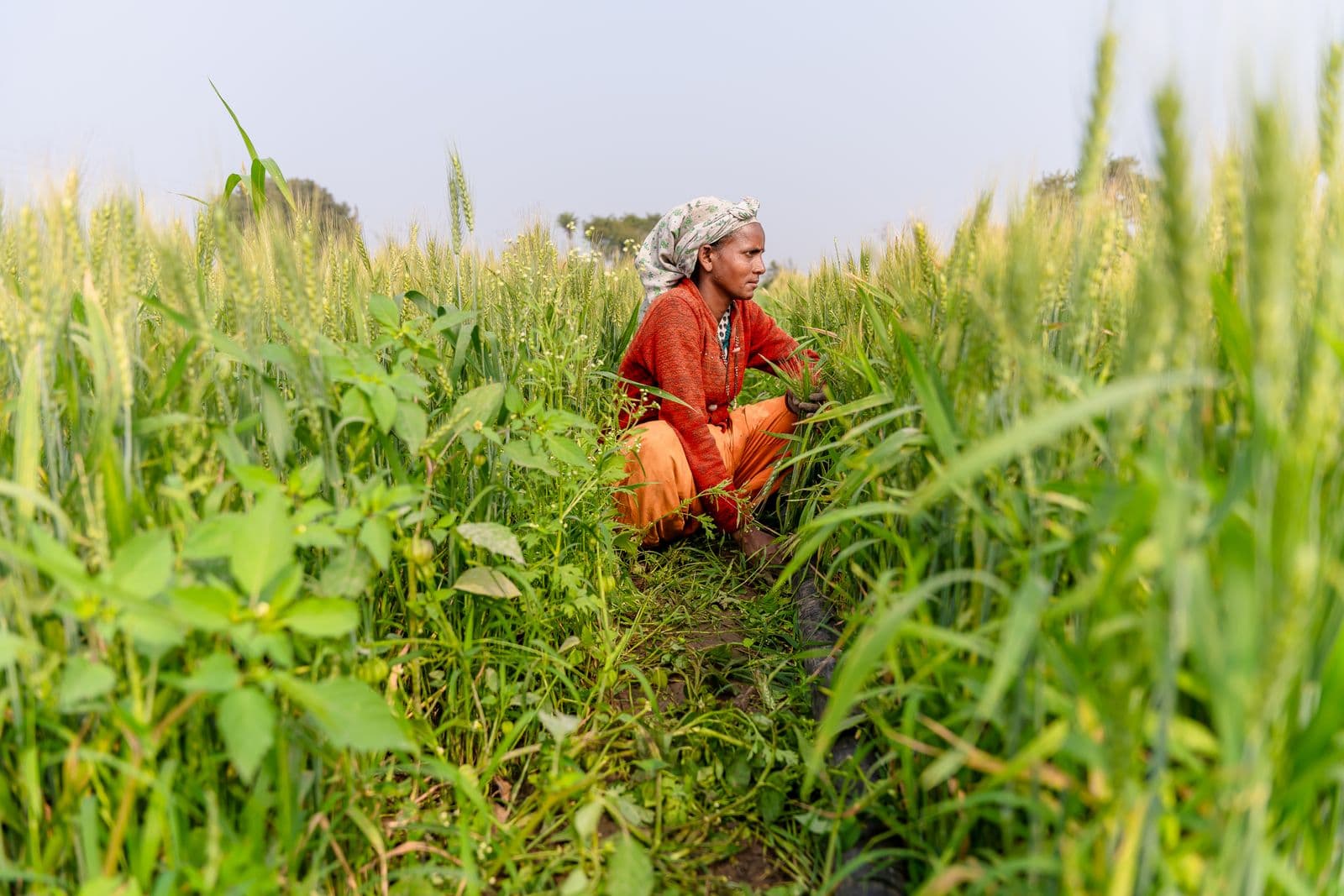
Patchouli is a perennial bushy herb grown for the fragrant oil in its leaves. The oil is a fixative used in perfumes, cosmetics, soaps, detergents, tobacco products and incense sticks, and has no synthetic substitute. Rooted stem cuttings are planted at 60 cm × 60 cm in warm, humid areas with 150-300 cm of rain, often under partial shade or as an undercrop in coconut and arecanut gardens. The first cut comes 4 to 6 months after planting and later cuts every 3-4 months; the crop is kept for 3 years. Leaves are dried in shade for 3-6 days and steam-distilled for 8 to 11 hours.
Capacity: 1 acre, 12,000 plants. The model counts 1,280 kg of dried leaves in the first year and 1,500 kg in the second and third years. The report says 1,600 kg of shade-dried leaves gives about 40 kg of oil.
§2Is it right for you?
Who it is for
A farmer in a warm, humid coastal belt, ideally with a coconut or arecanut garden and a known oil buyer.
Who it is not for
Dry areas, waterlogged fields or anyone with no link to essential-oil buyers.
Advantages
- The oil has no synthetic substitute, and India's demand is met by imports
- First harvest in 4 to 6 months, then a cut every 3-4 months
- Can be grown under coconut and arecanut as an undercrop
- Dried leaves store well and the smell improves with ageing
Drawbacks
- Root-knot nematodes can wipe out the crop; trials in Assam, Kerala and Karnataka failed for this reason
- Needs heavy, evenly spread rain or steady irrigation, and cannot stand waterlogging
- Oil yield is small — about 2.5% of the dried leaf
- The field is replanted every 3 years
Skills you need
- Raising rooted cuttings in a shaded nursery
- Nematode control before and after planting
- Shade-drying leaves to 8-10% moisture
- Running a steam distillation still and storing oil free of water
Why difficulty 3/5: The crop is fussy about shade, water and nematodes, and the grower must also distil and sell the oil.
§3Market
Who buys
- Perfumery and fragrance houses
- Makers of cosmetics, soaps, detergents and incense sticks
- Essential-oil traders
How it sells
- Oil sold in glass bottles or in steel or aluminium drums filled to the brim
- Direct sale of oil distilled on the farm
Good to know
- India grows about 600 ha of patchouli and makes about 20 tonnes of oil a year, against world output of about 800 tonnes.
- About 20 tonnes of oil and 100 tonnes of formulated oil are imported each year, mostly from Singapore and Indonesia.
§4Raw material & machinery
| Item | Qty | Cost |
|---|---|---|
| Tube-well | 1 | ₹30,000 |
| Pump set and electrical installation | — | ₹30,000 |
| Drip system with fertigation equipment | 1 | ₹20,000 |
| Farm equipment (₹10,000) and distillation unit machinery (₹10,000) | — | ₹20,000 |
| Distillation building (150 sq ft at ₹150 a sq ft) | 1 | ₹22,500 |
| Drying platform (100 sq ft at ₹80 a sq ft) | 1 | ₹8,000 |
From: National Horticulture Board model bankable project — Patchouli (2005)
- Rooted patchouli cuttings12,000 plants an acre at ₹1 a plant = ₹12,000
- Farmyard manure, fertilisers and plant protection chemicalsinput cost ₹11,100 in the first year; 10 to 20 tonnes of farmyard manure or compost go in at land preparation
- Nematicidemixed into the soil a few days before transplanting, with a second dose after one year
From: National Horticulture Board model bankable project — Patchouli (2005)
§5Licences & registration
- No licence is needed to grow the crop on your own farm land
- Land ownership or lease papers for the bank loan and subsidy file
- Udyam registration if the distillation unit is run as a business
- GST registration once oil sales cross the turnover limit
Start it in your state
Pick your state: today’s cost, central + state subsidy, raw material, land and help, on one page.
§6Schemes & subsidies
The model funds the project as farmer's share ₹1,10,000, capital subsidy ₹44,000 and term loan ₹66,000. Under NHB's current rules, open-field horticulture gets a 35% back-ended subsidy (45% in North-East, Himalayan and scheduled areas) only on projects above 2 hectares that carry a bank term loan, and land cost is not counted. A one-acre plot qualifies only as part of a larger project.
§7Money
How the investment is worked out: One-acre model: land levelling ₹4,000 + fencing ₹29,600 + drying platform ₹8,000 + distillation building ₹22,500 + pump house and labour shed ₹22,500 + tube-well ₹30,000 + pump set and electrical installation ₹30,000 + drip irrigation with fertigation ₹20,000 + farm and distillation equipment ₹20,000 + cultivation ₹33,400 (planting material ₹12,000, manures and fertilisers ₹8,500, pesticides ₹2,600, labour ₹6,700, power ₹3,600) = ₹2,20,000. Land cost is not included.
Working capital: Recurring cost, including oil extraction and marketing, is ₹21,140 in the first year and ₹23,980 in the second and third years.
Prices from 2005 — planting material, labour and input costs are much higher now. The model counts labour at only ₹70 a day.
§8Export potential
Confirm the HS code in the DGFT ITC(HS) lookup before you export
- The report treats patchouli oil as an import-substitute product; it gives no export figures.
§9Risks — where people fail
- Root-knot nematode attack that stunts and wilts the plants
- Leaf blight once plants are about a year old
- Waterlogging in heavy rain
- Imported oil setting the market price
§1030 / 60 / 90-day plan
A general plan that applies to any business. A plan for this business will be added after research.
- Days 1–30: Visit a working patchouli cultivation and oil distillation unit, ask 10 buyers about price and quantity, and get quotations from 3 suppliers.
- Days 31–60: Udyam and the licences you need (No licence is needed to grow the crop on your own farm land, Land ownership or lease papers for the bank loan and subsidy file), a project report (DPR), and the scheme or loan file.
- Days 61–90: Space and machines, trial production, and first deliveries to 10 customers.
§11Who to connect with
§12Watch
There is no episode on this business yet. Shows are coming soon on the Podcast page.
Want to start Patchouli Cultivation and Oil Distillation?
DPR, loan file or registration — ask us on WhatsApp.
¶Sources
Data review: 6 October 2026. Spotted a mistake? Report it. For information only — not legal or financial advice.