

§1What this business is
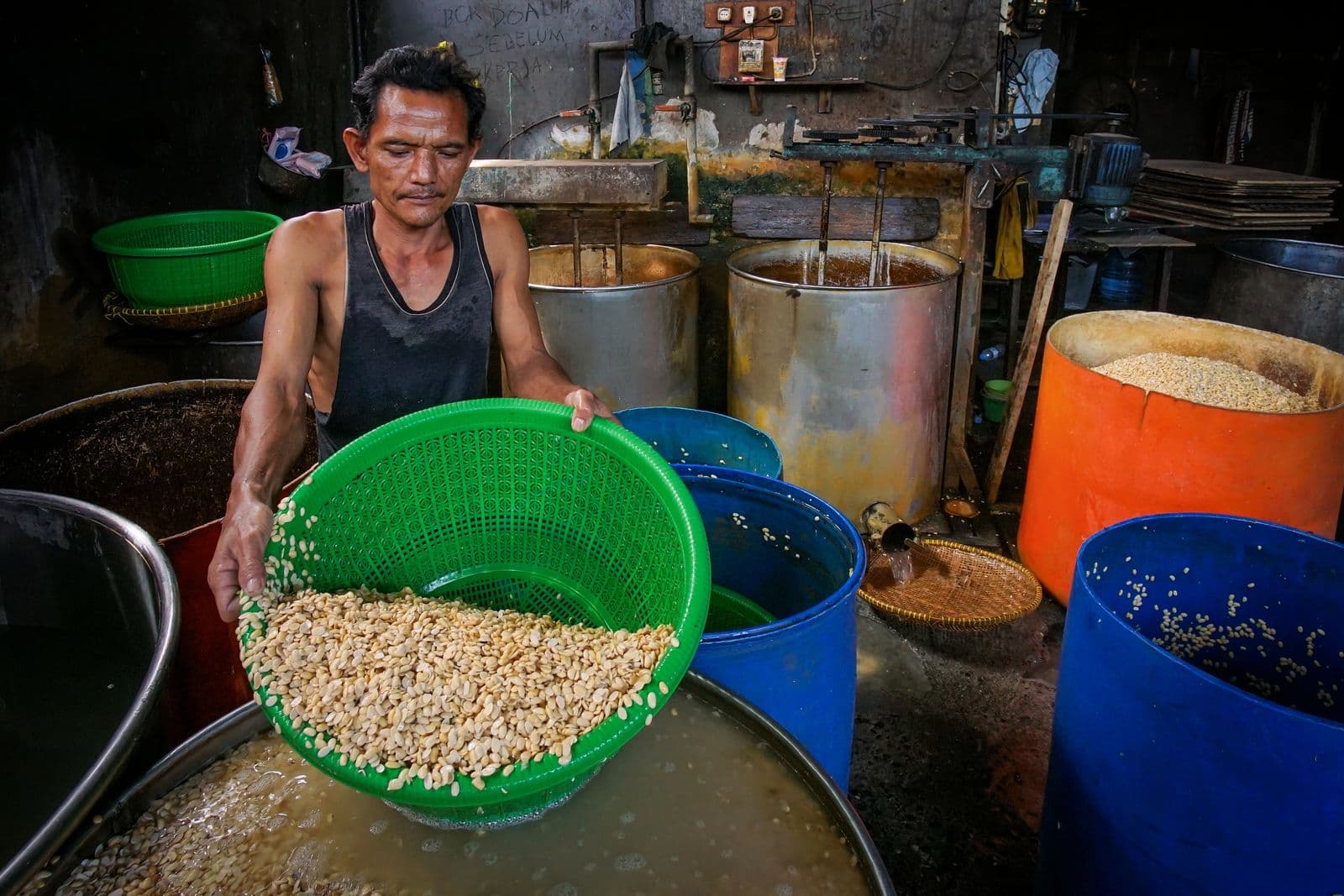
De-oiled soya flour or cake left after solvent extraction is mixed with a little rice and baking powder, extruded at high temperature for a short time, dried and packed as chunks, granules or flakes. The KVIC profile advises setting up close to soya solvent extraction plants.
Capacity: Printed as 600 tonnes a year; projected sales ₹30.00 lakh at full capacity.
§2Is it right for you?
Who it is for
Someone near a soya belt (MP, Maharashtra, Rajasthan, UP) with access to de-oiled flour and a food distribution network.
Who it is not for
Someone far from soya plants, where flour freight eats the margin.
Advantages
- Soya chunks are a cheap, high-protein food with steady demand
- Raw material is a by-product of oil plants
- Simple extrusion line
- Sells to households, canteens and caterers
Drawbacks
- Needs good-quality flour (protein 53–54%, NSI 45–50%)
- Big brands dominate retail shelves
- Wage bill is high in the KVIC model
- Old profile — prices need updating
Skills you need
- Extruder operation and die settings
- Raw flour testing (protein, NSI, moisture)
- Food hygiene and packing
- Distribution to kirana and institutions
Why difficulty 3/5: Process is simple; flour quality and selling against brands are the hard parts.
§3Market
Who buys
- Vegetarian households
- Hostels, canteens and caterers
- Snack and ready-meal makers
How it sells
- Kirana shops through distributors
- Institutional supply
- Supermarkets under own brand
Good to know
- The profile names MP, UP, Maharashtra and Gujarat as large soyabean producers, MP the largest.
- Raw material ₹7.75 lakh a year at full capacity in the profile.
§4Raw material & machinery
| Item | Qty | Cost |
|---|---|---|
| Mixing-cum-grinding machine with 5 HP motor | 1 | — |
| Soya nugget extrusion plant with 30 HP motor, screws, barrel and dies | 1 | — |
| Vibrating sieve with 3 HP motor | 1 | — |
| Platform weighing scale, 200 kg | 1 | — |
| Bag sewing machine | 1 | — |
| All equipment together | — | ₹14,15,000 |
From: KVIC Project Profile — Texturised Soya Protein (PMEGP)
- De-oiled soya flour or cakesolvent-extracted; NSI 45–50%, moisture 7.5–8.5%, protein 53–54%, fat under 10%, fibre 2–3%
- Rice and baking powdersmall quantity mixed with the flour
- Labels and packing material₹28,000 a year
From: KVIC Project Profile — Texturised Soya Protein (PMEGP)
In our raw material database
§5Licences & registration
- FSSAI licence
- Udyam registration
- GST registration
- Legal Metrology registration for packaged goods
- Pollution Control Board consent as applicable
§6Schemes & subsidies
- PMEGPCentralActive15–35% subsidy
- PMFMECentralUnclear35% subsidy, up to ₹10 lakh
- MudraCentralActiveLoan up to ₹20 lakh, no collateral
- CGTMSECentralActiveNo collateral, up to ₹10 crore
PMEGP fits this ₹19.31 lakh unit; PMFME's 35% subsidy suits micro food processing; MUDRA can fund up to ₹20 lakh; CGTMSE gives collateral-free cover.
§7Money
How the investment is worked out: KVIC profile total ₹19,31,000: work shed 150 sq m on rent ₹96,000; equipment ₹14,15,000 (mixing-cum-grinding machine with 5 HP motor, soya nugget extrusion plant with 30 HP motor and dies, vibrating sieve with 3 HP motor, 200 kg platform scale, bag sewing machine); working capital ₹4,20,000. Land own.
Working capital: Working capital ₹4,20,000 (requirement per cycle ₹4,23,523).
Year not printed on the KVIC profile — check current machinery prices.
§8Export potential
Confirm the HS code in the DGFT ITC(HS) lookup before you export
- Get an IEC; check with APEDA whether registration applies to your product.
- Importing countries may test for GMO status and residues.
§9Risks — where people fail
- Flour quality and price changes
- Moisture spoiling stock
- Competition from national brands
- FSSAI non-compliance
§1030 / 60 / 90-day plan
A general plan that applies to any business. A plan for this business will be added after research.
- Days 1–30: Visit a working texturised soya protein (soya chunks) unit, ask 10 buyers about price and quantity, and get quotations from 3 suppliers.
- Days 31–60: Udyam and the licences you need (FSSAI licence, Udyam registration), a project report (DPR), and the scheme or loan file.
- Days 61–90: Space and machines, trial production, and first deliveries to 10 customers.
§11Who to connect with
Associations, clusters and training institutes — the directory is being built. Connect
§12Watch
There is no episode on this business yet. Shows are coming soon on the Podcast page.
Want to start Texturised Soya Protein (Soya Chunks)?
DPR, loan file or registration — ask us on WhatsApp.
¶Sources
Data review: 6 October 2026. Spotted a mistake? Report it. For information only — not legal or financial advice.