

§1What this business is
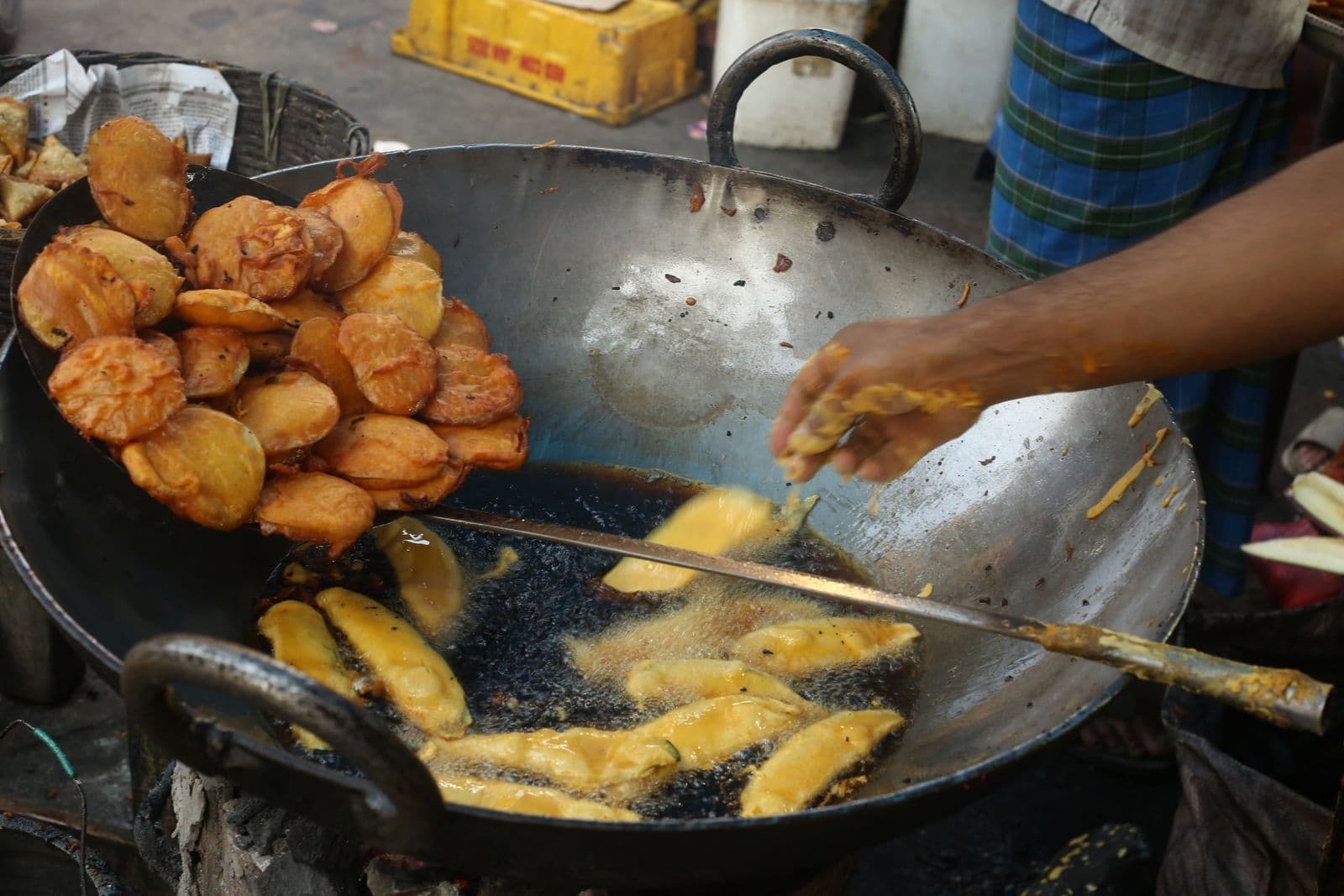
Rice powder is cooked and pressed through a nozzle fitted with a shaped die; the pieces are cooled and dried, then packed. The KVIC profile says children like them, the product has gained a good market in recent years and many varieties are available. The equipment is basic — charcoal stove, iron plates and discs, pots and a wooden roller.
Capacity: 3,000 quintals a year as printed; production value ₹27.22 L.
§2Is it right for you?
Who it is for
A home-based or women's group enterprise in a rice-growing area.
Who it is not for
Someone looking for a high-margin product.
Advantages
- Low investment (₹7.32 L) and simple tools
- Children's favourite snack
- Many shapes and varieties possible
- Dry product travels and stores well
Drawbacks
- Thin margin (₹2.42 L on ₹30 L sales)
- Drying needs space and good weather or a dryer
- Many local brands sell similar products
- Charcoal cooking needs smoke control
Skills you need
- Cooking the rice dough right
- Shaping and drying
- Food hygiene (FSSAI)
- Selling to kirana shops
Why difficulty 2/5: Simple process and low capital, but the margin is thin.
§3Market
Who buys
- Families with children
How it sells
- Kirana and general stores
- Wholesalers
- Weekly markets and fairs
Good to know
- The profile notes the product has taken a good market in recent years, in many varieties.
§4Raw material & machinery
| Item | Qty | Cost |
|---|---|---|
| Charcoal stove | — | — |
| Scissors and tongs | — | — |
| Kalgooti | — | — |
| Thin iron rod, iron disc and iron plate | — | — |
| Pots and wooden roller | — | — |
From: KVIC Project Profile — Frymes Manufacturing Unit (PMEGP)
- Rice powderraw material ₹20.00 L a year in the profile
- Labels and packing material₹75,000 a year
From: KVIC Project Profile — Frymes Manufacturing Unit (PMEGP)
In our raw material database
§5Licences & registration
- FSSAI licence or registration
- Udyam registration
- GST registration once turnover crosses the limit
- Legal Metrology registration for packed goods
§6Schemes & subsidies
- PMFMECentralUnclear35% subsidy, up to ₹10 lakh
- PMEGPCentralActive15–35% subsidy
- MudraCentralActiveLoan up to ₹20 lakh, no collateral
- CGTMSECentralActiveNo collateral, up to ₹10 crore
A KVIC Gramodyog Rojgar Yojana profile; snack processing fits PMFME and PMEGP, and at ₹7.32 L it fits MUDRA and CGTMSE.
§7Money
How the investment is worked out: Building shed 1,000 sq ft ₹2.00 L + equipment ₹2.60 L (charcoal stove, scissors, tongs, kalgooti, thin iron rod, iron disc, iron plate, pots, wooden roller) = ₹4.60 L, + working capital ₹2.72 L = ₹7.32 L. Own land.
Working capital: Working capital ₹2.72 L; raw material ₹20.00 L a year.
Year not printed on the KVIC profile — check current machinery prices.
§8Export potential
Export council / board: APEDA
- No HS code is given here — ask your customs broker or DGFT to classify the product before exporting.
- You need an Import Export Code (IEC) from DGFT before the first shipment.
§9Risks — where people fail
- Rain delaying drying
- Rice price rise
- Low shelf prices
- Moisture spoiling stock
§1030 / 60 / 90-day plan
A general plan that applies to any business. A plan for this business will be added after research.
- Days 1–30: Visit a working frymes (rice wafers) unit, ask 10 buyers about price and quantity, and get quotations from 3 suppliers.
- Days 31–60: Udyam and the licences you need (FSSAI licence or registration, Udyam registration), a project report (DPR), and the scheme or loan file.
- Days 61–90: Space and machines, trial production, and first deliveries to 10 customers.
§11Who to connect with
Associations, clusters and training institutes — the directory is being built. Connect
§12Watch
There is no episode on this business yet. Shows are coming soon on the Podcast page.
Want to start Frymes (Rice Wafers)?
DPR, loan file or registration — ask us on WhatsApp.
¶Sources
Data review: 6 October 2026. Spotted a mistake? Report it. For information only — not legal or financial advice.