

§1What this business is
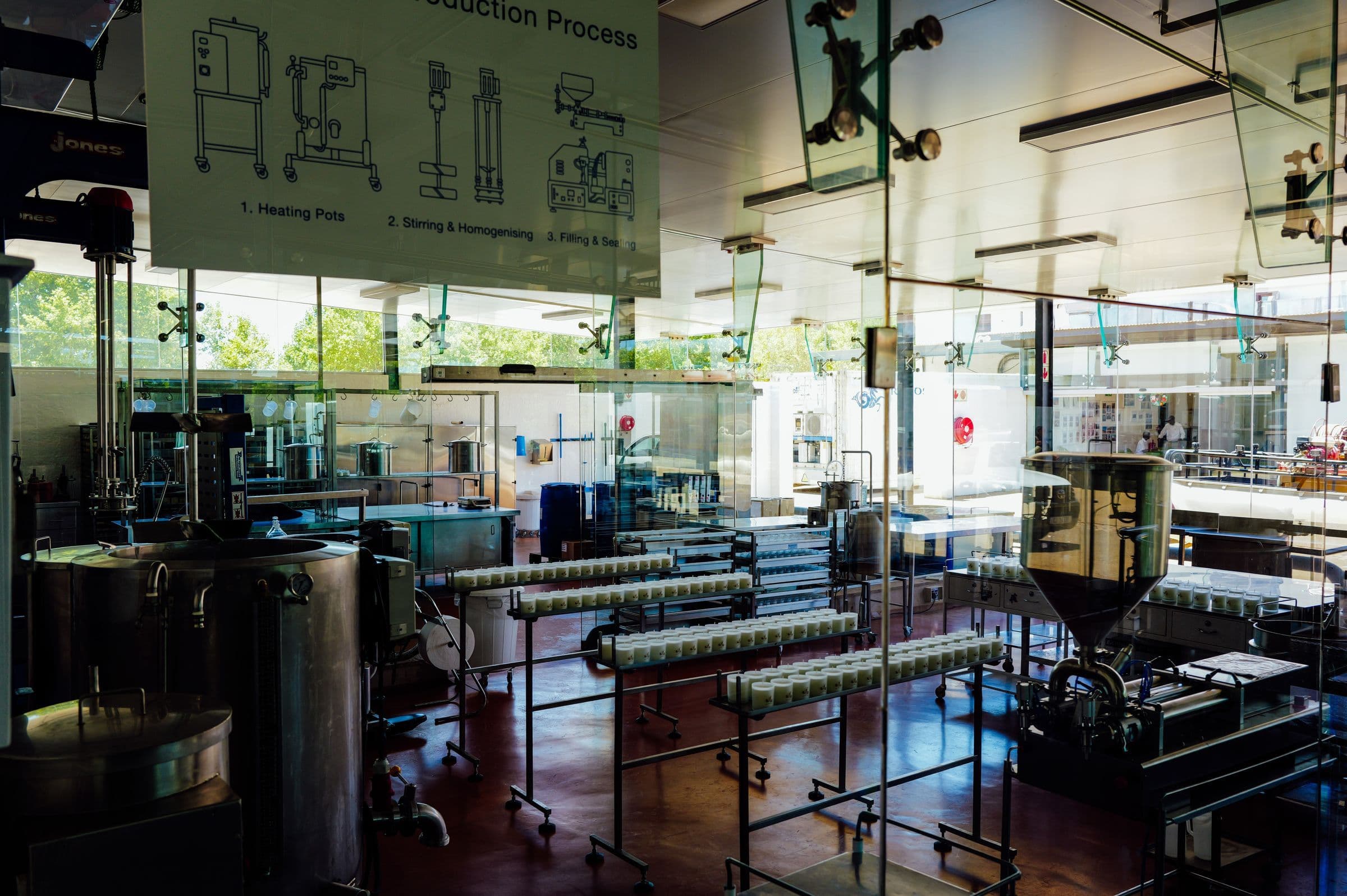
Jowar grain is winnowed, cleaned, washed and soaked, then roasted and pressed flat in a roller flaking machine, dried and packed. The flakes are used like rice flakes or made into sweet and savoury snacks. The model unit makes 150 tonnes of flakes a year, working 300 days.
Capacity: 150 tonnes of flakes a year at 300 days and 8–10 hours a day; 55% use in year 2, rising to 100% by year 6. Needs 467.5 kg of grain a day at 55% and 850 kg a day at full use (60% recovery).
§2Is it right for you?
Who it is for
A grain processor or farmer group in a jowar belt that wants to add a packed millet product.
Who it is not for
Someone with no steady supply of clean jowar or no way to sell a branded pack.
Advantages
- Simple process that needs no costly machinery — ₹5.92 L of equipment
- Works with any clean jowar or millet grain
- Millets are in demand as healthy food
Drawbacks
- Working capital is larger than the machinery cost
- Only 60% of the grain comes out as flakes
- The DPR's sale price of ₹180/kg is well above common poha prices
Skills you need
- Judging grain quality and moisture
- Soaking and roasting to the right stage
- Running the flaking roller
- Packing and selling to shops
Why difficulty 2/5: Simple cottage-scale process; selling a new millet product is the harder part.
§3Market
Who buys
- Households buying breakfast and snack foods
- Snack makers who use flakes in mixtures
- Health-food shoppers
How it sells
- Kirana and departmental stores
- Supermarkets and malls
- Wholesalers of grain products
Good to know
- The DPR sets the sale price at ₹180 a kg.
- It suggests well-packed, branded packs for urban organised stores.
§4Raw material & machinery
| Item | Qty | Cost |
|---|---|---|
| Winnowing machine | 1 | ₹0.60 lakh |
| Size screens | 5 | ₹0.15 lakh |
| Washing tank, 500 litre | 1 | ₹0.40 lakh |
| Soaking drums, 200 litre | 6 | ₹0.09 lakh |
| Uruli roaster, 80 kg per batch | 1 | ₹0.40 lakh |
| Roller flaking machine | 1 | ₹1.30 lakh |
| Mesh trays | 10 | ₹0.60 lakh |
| Wood-fired hot air oven | 1 | ₹0.80 lakh |
| Induction sealer | 1 | ₹0.30 lakh |
| Shrink tunnel | 1 | ₹0.35 lakh |
| Continuous sealing machine | 1 | ₹0.25 lakh |
| Batch coding machine | 1 | ₹0.12 lakh |
| Weighing balance | 1 | ₹0.06 lakh |
| Accessories | 1 | ₹0.50 lakh |
From: NIFTEM-Thanjavur (IIFPT) PMFME model DPR — Sorghum Flakes
- Sorghum (jowar) graincosted at ₹40 a kg; 60% comes out as flakes
- Packing materialpouches or jars with labels
From: NIFTEM-Thanjavur (IIFPT) PMFME model DPR — Sorghum Flakes
§5Licences & registration
- Udyam registration
- GST registration
- FSSAI licence or registration
- Trade licence from the local body
- Legal Metrology registration for packed goods
Start it in your state
Pick your state: today’s cost, central + state subsidy, raw material, land and help, on one page.
§6Schemes & subsidies
- PMFMECentralUnclear35% subsidy, up to ₹10 lakh
- PMEGPCentralActive15–35% subsidy
- MudraCentralActiveLoan up to ₹20 lakh, no collateral
- CGTMSECentralActiveNo collateral, up to ₹10 crore
The DPR is written for the PMFME scheme and assumes its 35% credit-linked subsidy (up to ₹10 lakh) with a bank term loan. At this size the project is also within PMEGP's ₹50 lakh manufacturing ceiling; MUDRA and CGTMSE can support the loan.
§7Money
How the investment is worked out: Total project cost ₹22.27 L = building ₹5.18 L + machinery ₹5.92 L + utilities ₹0.80 L + other fixed assets ₹0.90 L + pre-operative ₹0.90 L + contingencies ₹1.20 L + working capital margin ₹7.37 L.
Working capital: Working capital margin ₹7.37 L in the project cost; bank working capital finance ₹22.12 L in year 2, ₹26.14 L in year 3 and ₹35.65 L in year 4.
Year not printed on the DPR (the PMFME scheme began in 2020) — check current machinery prices.
§8Export potential
Export council / board: APEDA
- The DPR prints no HS code or export figure — confirm the ITC-HS code on the DGFT site before you quote to a foreign buyer.
§9Risks — where people fail
- Grain spoiling in storage
- Flakes turning rancid or damp if packed badly
- Shoppers not paying a premium over rice poha
§1030 / 60 / 90-day plan
A general plan that applies to any business. A plan for this business will be added after research.
- Days 1–30: Visit a working sorghum (jowar) flakes unit, ask 10 buyers about price and quantity, and get quotations from 3 suppliers.
- Days 31–60: Udyam and the licences you need (Udyam registration, GST registration), a project report (DPR), and the scheme or loan file.
- Days 61–90: Space and machines, trial production, and first deliveries to 10 customers.
§11Who to connect with
§12Watch
There is no episode on this business yet. Shows are coming soon on the Podcast page.
Want to start Sorghum (Jowar) Flakes?
DPR, loan file or registration — ask us on WhatsApp.
¶Sources
Data review: 6 October 2026. Spotted a mistake? Report it. For information only — not legal or financial advice.