

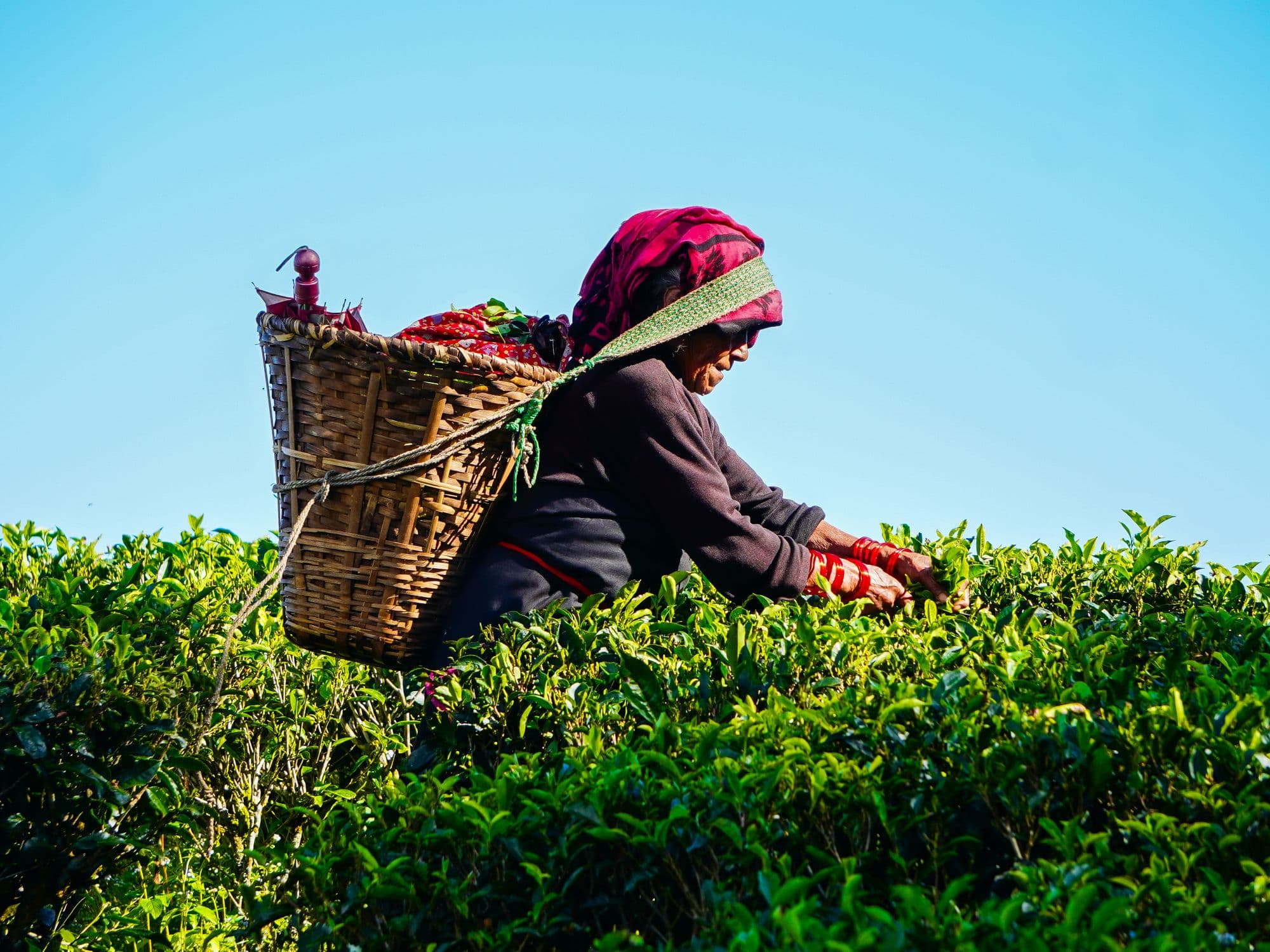
The story
Tea planting in the Nilgiris began under British rule in the nineteenth century. After Independence, thousands of Badaga and other local families planted tea on small holdings and sold green leaf to bought-leaf factories and cooperative factories under INDCOSERVE. Coonoor became the auction centre for South Indian teas. Nilgiri orthodox tea has a GI tag.
In numbers
More than 65,000 small and marginal farmers grow tea in the Nilgiris; during the 2026 drought some factories that received about 4,000 kg of leaf a day got only about 600 kg.
Nilgiris tea production hit by severe drought as green leaf supply plunges — Agro & Food Processing · 2026INDCOSERVE, the Tamil Nadu cooperative, has 16 tea factories run by small tea growers.
Tea prices shoot up, production dips — Onmanorama · 2024Nilgiri (Orthodox) is a registered GI (application 116, certificate 100).
GI Registry — Nilgiri (Orthodox), application 116
GI tag
- Nilgiri (Orthodox)Application no. GI Application No. 116 (Certificate No. 100)GI Registry, Intellectual Property India — application 116
Ways in for a newcomer
- Specialty and estate-branded tea packing for retail and online
- Tea tourism, homestays and tasting rooms
- Leaf collection, transport and factory services for small growers
- Tea blending and private-label packing
Problems the cluster faces
- Low green-leaf prices for small growers
- Drought and climate change cut yields
- Labour shortage for plucking
- Competition from cheaper teas
Businesses to start here
Tea Blending and Packing Unit →Organic Green and Herbal Tea Cultivation →Green Tea Processing Unit →Masala Tea (Chai Masala) Unit →