

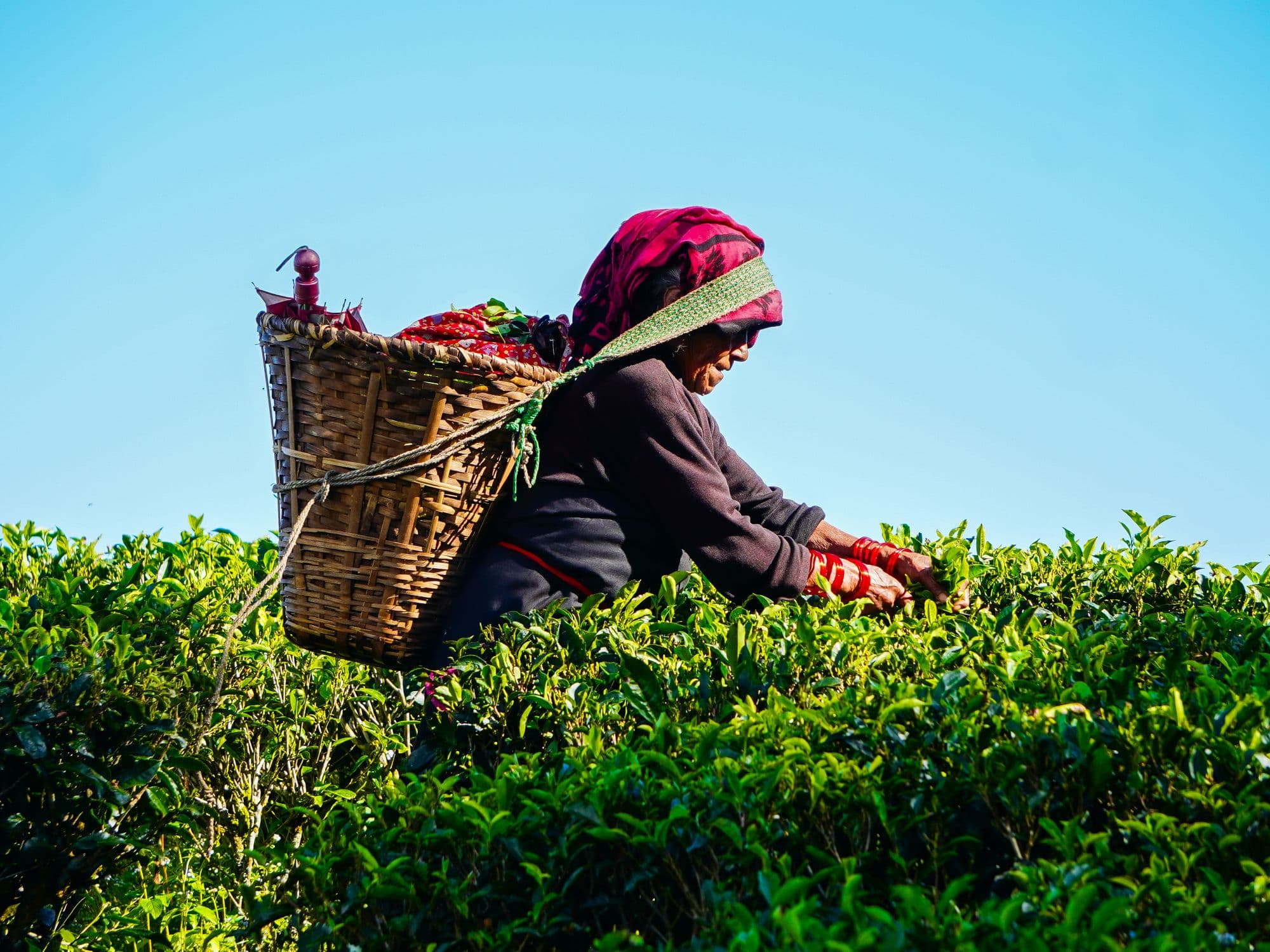
The story
Tea planting began in the Darjeeling hills in the mid-19th century under British planters, who found the cool slopes, mist and rainfall ideal for the China variety of tea. Estates were laid out on steep hillsides with factories on site, and the tea was sent down to Calcutta for auction and export. In 2004 Darjeeling Tea became the first product registered under India's GI Act, and only tea from registered gardens in the defined area can carry the name.
In numbers
About 10 million kilograms of Darjeeling tea are grown every year, spread over 17,500 hectares; the tea comes from 87 gardens.
Darjeeling — Tea Board of IndiaThe annual production of Darjeeling Tea is approximately 10 million kg.
Brief Industrial Profile of Darjeeling District, MSME-DI Kolkata, Ministry of MSME · 2012
GI tag
- Darjeeling Tea (word & logo)Application no. Application No. 1 & 2Registration details of Geographical Indications (state-wise register), IP India
Ways in for a newcomer
- Blend, pack and sell certified Darjeeling tea online under your own brand (after Tea Board licensing)
- Tea tourism: homestays and garden walks near working estates
- Supply packaging, cartons and estate inputs to gardens
- Export marketing services for small gardens
Problems the cluster faces
- Falling output from old bushes and climate stress
- Cheaper teas sold falsely as Darjeeling
- Labour unrest and high costs on hill estates
- Landslides and poor roads in the monsoon
Businesses to start here
Tea Blending and Packing Unit →Green Tea Processing Unit →Organic Green and Herbal Tea Cultivation →Homestay (Bed and Breakfast) →Agro-Tourism Farm →