

The story
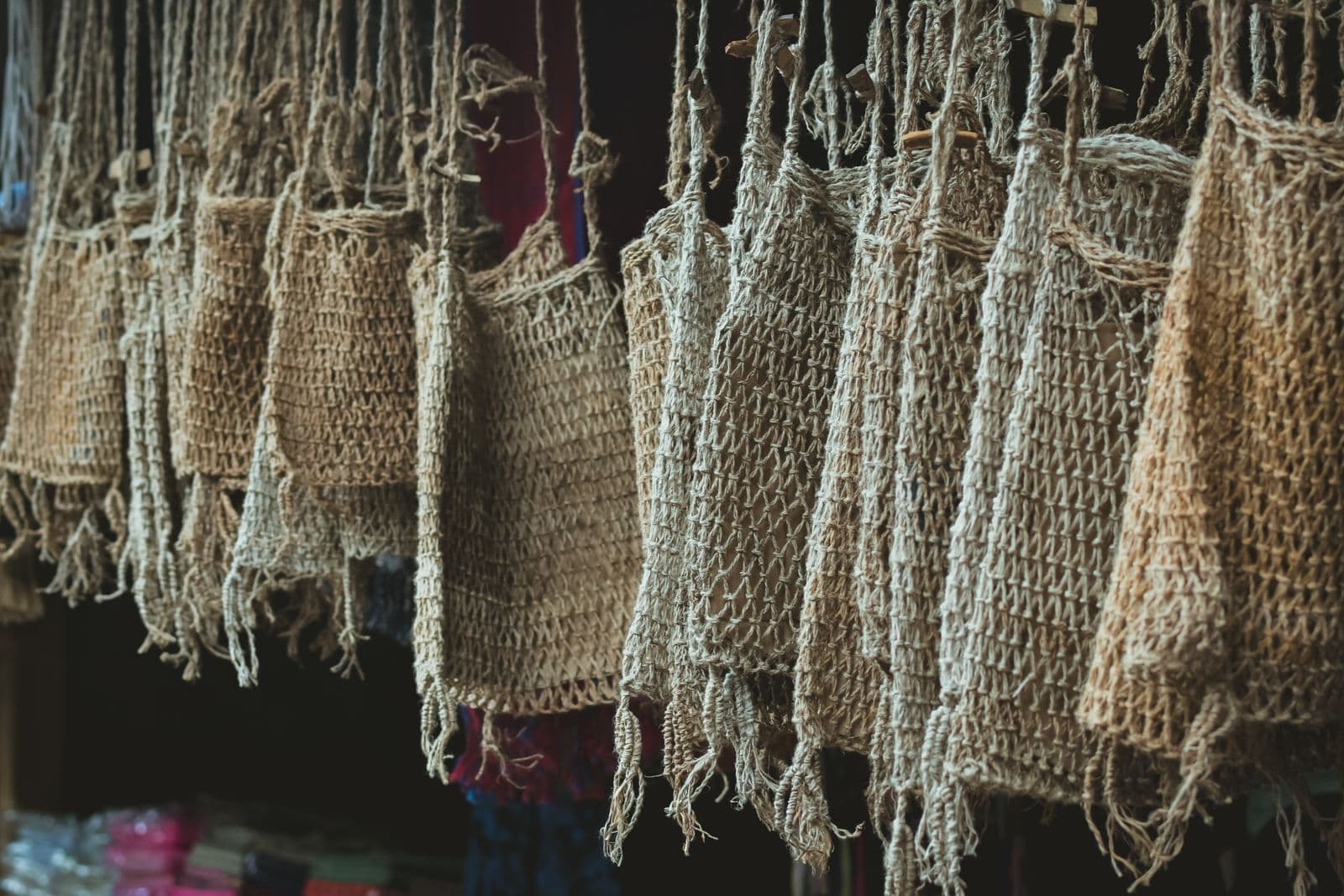
Jute mills came up along both banks of the Hooghly river from the 1850s, using raw jute grown in Bengal's delta and river transport to Calcutta port. Cheap river water for retting, a large workforce and the port made the belt the world's main jute-milling centre. Today most output is sacking bought by the government for food-grain packing, while smaller units make bags, décor and technical textiles from jute.
In numbers
As of December 2025, India has 120 composite jute mills; West Bengal alone houses 89 of them.
Jute: India's Golden Fibre (PIB backgrounder, 7 September 2026) · 2026The jute industry employs about 3.70 lakh workers in organised mills and diversified jute units and sustains nearly 40 lakh farm families.
Jute: India's Golden Fibre (PIB backgrounder, 7 September 2026) · 2026India produced 12.80 lakh MT of jute goods in FY 2025-26 and exported 1.71 lakh MT of jute goods worth ₹3,155.27 crore.
Jute: India's Golden Fibre (PIB backgrounder, 7 September 2026) · 2026The industry's annual turnover exceeds ₹10,000 crore, with about 70% of production being traditional sacking bags procured by the government for food-grain packaging.
From Terracotta to Textiles: GST Reforms to Empower Bengal's Industries (PIB factsheet) · 2025
Ways in for a newcomer
- Make jute diversified products (shopping bags, totes, décor) by buying yarn and fabric from the mills
- Job-work stitching and printing of jute bags for exporters and retail brands
- Supply mill stores, bobbins and machinery spares to the composite mills
- Trade raw jute between farmers and mills as a registered dealer
Problems the cluster faces
- Raw jute price swings and shortages that force mills to cut shifts
- Heavy dependence on government sacking orders
- Old machinery and low productivity in many mills
- Competition from cheaper plastic packaging
Businesses to start here
Printed Jute Bag Making →Gunny (Jute) Bag Making →Jute Wall Hanging Making →Jute Rope Wholesale Trading →