

The story
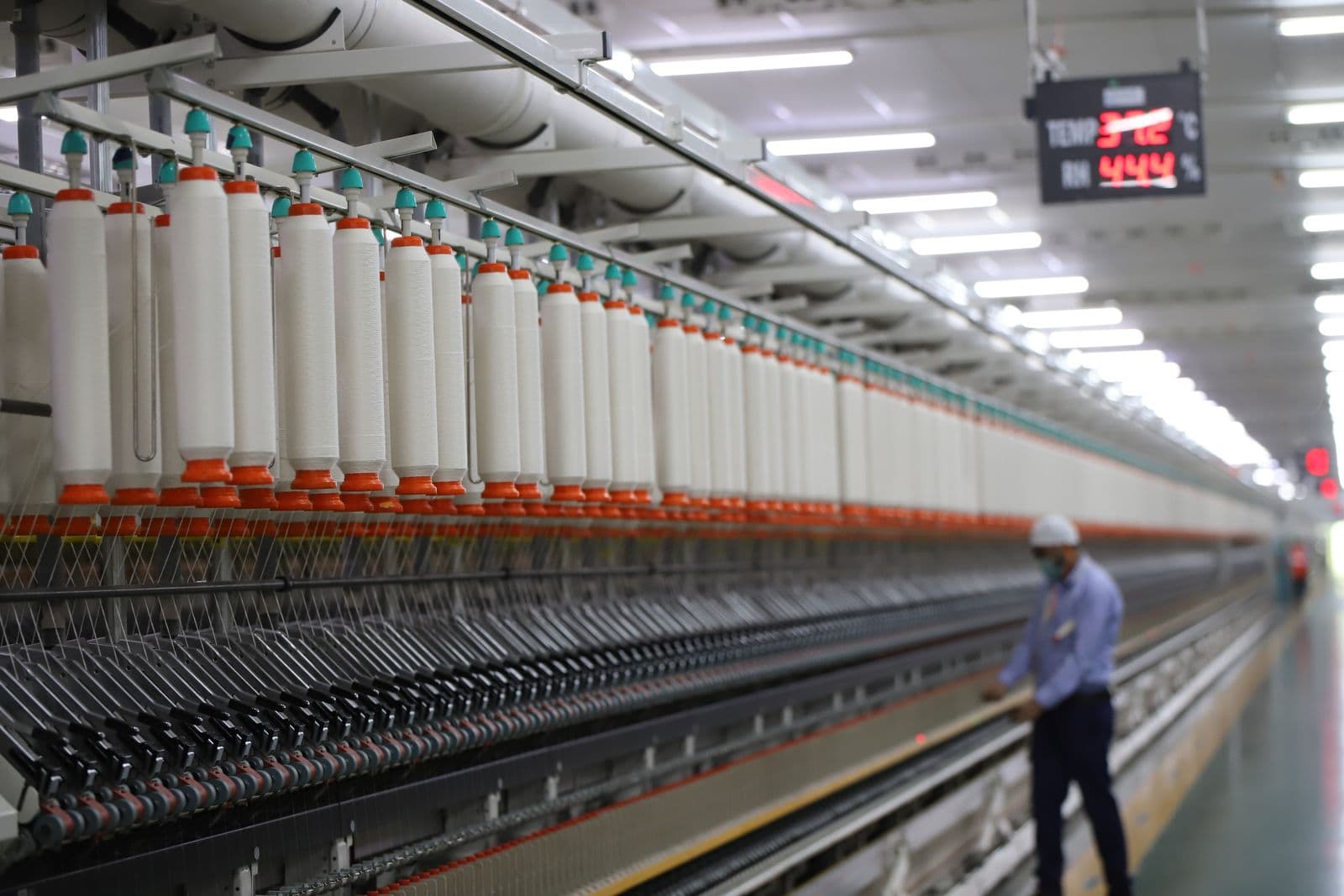
Kolkata became India's hosiery capital in the early 20th century when Marwari traders set up knitting units close to the Burrabazar wholesale market. Several national innerwear brands grew out of this base, using job-workers for knitting, dyeing, stitching and printing across Kolkata and Howrah. Goods move from Kolkata's wholesale markets to retailers across eastern, northern and north-eastern India.
In numbers
The Kolkata hosiery products cluster had 1,375 functional units, a turnover of Rs. 3,984 crore and employment of 43,246.
Brief Industrial Profile of Kolkata District, MSME-DI Kolkata, Ministry of MSME · 2012Hosiery and readymade garments form one of West Bengal's largest industries, employing an estimated 5,00,000 workers.
From Terracotta to Textiles: GST Reforms to Empower Bengal's Industries (PIB factsheet) · 2025
Ways in for a newcomer
- Knitting, dyeing or printing job-work for established innerwear brands
- Launch a regional innerwear or kids' wear label sold through Burrabazar wholesalers
- Supply elastic, labels, cartons and packaging
- Online selling of private-label basics
Problems the cluster faces
- Thin margins and long credit cycles from wholesalers
- Competition from Tiruppur and Ludhiana
- Old machines and limited space in the city
- Effluent rules for dyeing units
Businesses to start here
Men's Undergarments (Briefs, Trunks and Vests) →Knitted Socks Making →Cotton Knitted (Hosiery) Fabric Unit →Children's Garments →Baby Garments Manufacturing →Elastic Tape Weaving →Bleaching and Dyeing of Cotton Knitted Fabric (Job Work) →